
Advanced Dental
Implants
Personalized solutions for severe jawbone loss
Severe bone loss can make replacing missing teeth more complex, particularly when there is insufficient bone to support conventional dental implants.
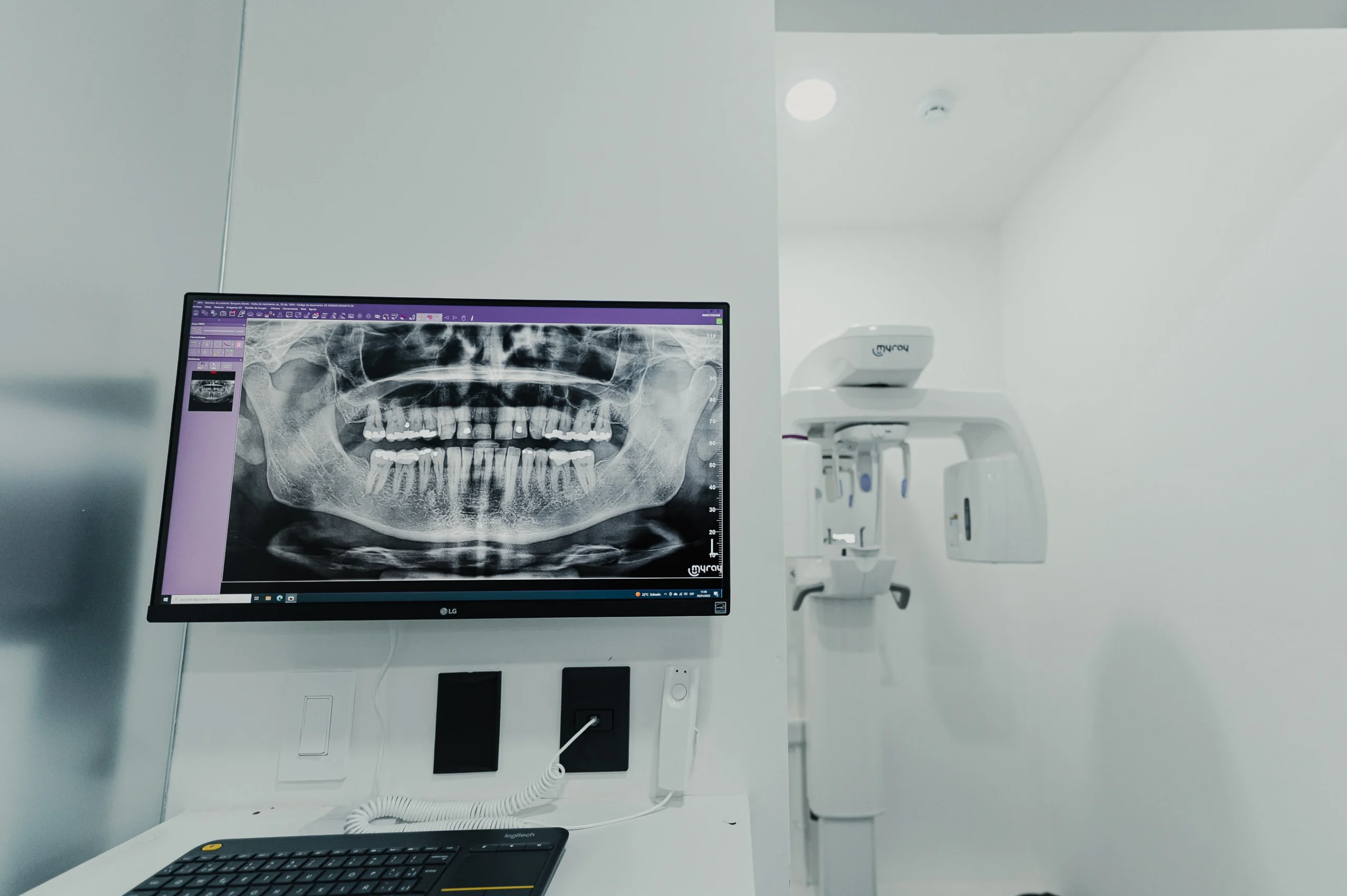
Zygomatic implants and custom subperiosteal implants provide alternative treatment options for selected patients with advanced bone loss. These approaches require a comprehensive assessment, detailed three-dimensional imaging, and coordinated surgical and restorative planning.
At ADC, your evaluation helps determine which approach is most appropriate for your anatomy, oral health, and rehabilitation goals.
- 01
Zygomatic Implants
An advanced option for severe upper-jaw bone loss
Zygomatic implants are specialized dental implants that obtain support from the cheekbone, known as the zygoma. They are longer than conventional dental implants and may be considered when the upper jaw cannot provide sufficient support for a traditional implant-supported restoration.
Depending on the remaining bone and the planned prosthesis, zygomatic implants may be combined with conventional implants or used in a configuration involving multiple zygomatic implants.
Who May Be a Candidate?
Zygomatic implants may be considered for patients who:
Have severe bone loss in the upper jaw.
Have experienced unsuccessful bone grafting or previous implant treatment.
Have certain upper-jaw defects following trauma or surgery.
Need an alternative to extensive bone reconstruction, when clinically appropriate.
Suitability depends on the anatomy of the upper jaw and cheekbones, sinus health, general health, and the requirements of the final restoration.
Potential Benefits
Support for fixed teeth: May make fixed rehabilitation possible when conventional implants alone are unsuitable.
An alternative to extensive grafting: May reduce the need for staged bone reconstruction in selected cases.
Earlier temporary rehabilitation: When adequate implant stability is achieved, a fixed temporary restoration may be possible shortly after surgery.
Improved function and appearance: Provides support for a restoration designed to improve chewing and smile aesthetics.
Can I Receive Teeth on the Day of Surgery?
Some patients qualify for immediate loading, which allows a fixed temporary restoration to be attached on the day of surgery or shortly afterward.
This depends on implant stability, bone conditions, the design of the restoration, and surgical findings. Immediate teeth cannot be guaranteed before the clinical requirements have been confirmed. The final prosthesis is provided after the appropriate healing and assessment period.
- 02
Custom Subperiosteal Implants
A framework designed around your remaining bone
Custom subperiosteal implants—sometimes referred to as mucoperiosteal implants—are patient-specific frameworks that may be considered for selected cases of severe upper- or lower-jaw bone loss.
Unlike conventional implants, which are inserted into the jawbone, a subperiosteal framework is positioned over the bone, beneath the periosteum, the tissue covering its surface. The framework is secured with fixation screws, while support posts extend through the gums to connect it to the dental restoration.
Modern frameworks are typically manufactured from titanium using computer-assisted design and three-dimensional printing.
Who May Be a Candidate?
Custom subperiosteal implants may be considered for patients who:
Have advanced bone loss that limits conventional implant placement.
Would otherwise require extensive bone-reconstruction procedures.
Have experienced previous implant or reconstructive treatment failure.
Need an individualized alternative after other treatment options have been assessed.
The amount and distribution of remaining bone, soft-tissue health, medical history, and ability to maintain oral hygiene are important factors in treatment selection.
How Is the Framework Designed?
A three-dimensional scan is used to create a digital model of your jaw. Your implant framework is then individually designed and manufactured to match the contours of your remaining bone and support the planned dental restoration.
Planning also considers fixation points, the position of the support posts, soft-tissue coverage, and access for cleaning.
Your Treatment Schedule: Three Trips
First Trip: Consultation and Three-Dimensional Imaging
Your first visit includes a comprehensive assessment and the imaging needed to evaluate your remaining bone and plan treatment.
Once your suitability and treatment plan have been confirmed, these records are used to design and manufacture your personalized implant framework. Manufacturing takes approximately 6 weeks, as the framework is custom-made to fit your individual bone anatomy.
Second Trip: Surgical Placement
Once your custom framework is ready, you return for surgical placement. The framework is positioned and secured according to the treatment plan, and the surrounding gum tissue is carefully adapted.
You will receive postoperative instructions and a follow-up plan to monitor healing.
Third Trip: Placement of Your Final Teeth
After adequate healing has been confirmed, you return for the fitting and placement of your definitive dental prosthesis.
Your final teeth are assessed for fit, appearance, bite, and access for cleaning. The timing of this trip is determined by your healing progress and restorative needs.
Additional appointments may be required depending on your clinical circumstances.
Potential Benefits
Patient-specific design: The framework is created around your individual jaw anatomy.
An alternative for complex bone loss: May offer a rehabilitation option when conventional implants are unsuitable.
Potential reduction in grafting procedures: Extensive bone augmentation may be avoided in selected cases.
Support for dental rehabilitation: Provides a foundation for a prosthesis planned to restore function and appearance.
Your Treatment Journey
- 01.
Comprehensive Assessment
Treatment begins with a clinical examination, medical history review, and appropriate three-dimensional imaging. For zygomatic implants, assessment also includes the cheekbones and sinus health.
We evaluate the remaining bone, surrounding tissues, bite, and restorative needs before recommending an approach.
- 02.
Personalized Planning
The surgical plan is developed alongside the design of the future teeth. This helps determine implant positioning or framework design, support distribution, appearance, and access for daily hygiene.
Your consultation includes a discussion of alternatives, anticipated benefits, risks, recovery, and estimated treatment time.
- 03.
Surgical Placement
The implants or custom framework are placed according to the treatment plan. The anesthesia approach and postoperative care are selected according to the procedure and your medical needs.
- 04.
Healing and Restoration
The timing of temporary and final teeth depends on implant or framework stability, tissue healing, and the planned prosthesis.
These advanced treatments follow individualized protocols. Their timelines may differ from those used for conventional implants.
- 05.
Long-Term Maintenance
Regular examinations and professional cleaning are essential. Follow-up appointments allow the clinical team to monitor tissue health, evaluate the restoration, and identify complications early.
FAQ
Frequently asked questions
Zygomatic implants obtain support from the cheekbones and are used for upper-jaw rehabilitation. Custom subperiosteal implants use a personalized framework positioned over the remaining jawbone and secured with fixation screws. They may be considered for selected upper- or lower-jaw cases. The appropriate treatment depends on your anatomy and clinical needs.
These approaches may help some patients avoid extensive bone grafting. However, additional procedures may still be necessary. Your imaging and clinical assessment will determine what is required.
For custom subperiosteal implants, treatment is planned around three trips: an initial assessment, a second trip for surgical placement, and a third trip for the final teeth. Manufacturing the custom framework takes approximately 6 weeks after the treatment plan and design have been confirmed. The interval between surgery and the final restoration depends on healing and restorative requirements. For zygomatic implants, the timeline depends on surgical complexity, implant stability, healing, and the planned prosthesis. Some patients may receive temporary fixed teeth shortly after surgery. A personalized schedule is provided after your assessment.
No. Both treatments require careful patient selection. General health, oral hygiene, smoking, active infection, tissue conditions, and the ability to attend maintenance appointments can influence suitability and outcomes.
Potential complications include infection, soft-tissue inflammation or recession, exposure of implant components or the framework, failure of the supporting system, and mechanical problems affecting the restoration. Zygomatic implants also carry specific risks involving the sinuses, nerves, and nearby anatomical structures. These procedures require clinicians with appropriate training and experience.
Long-term performance depends on the treatment type, tissue health, prosthetic design, daily hygiene, and professional maintenance. The implants, framework, and restoration require ongoing monitoring. Restorations and components may need adjustments, repairs, or replacement over time. Individual outcomes vary, and lifetime results cannot be guaranteed.
Clean around the support posts and beneath the prosthesis using the techniques and tools recommended by your dental team. Attend scheduled examinations and professional cleaning appointments. Report persistent pain, swelling, bleeding, exposed components, or movement of the restoration promptly.
Advanced Dental Implants
Explore Your Options for Fixed Teeth
If you have been told that you do not have enough bone for conventional implants, a comprehensive evaluation can help identify whether an advanced implant approach is suitable for you.