
Dental
Implants
Restore the function, appearance, and confidence of your smile
Missing teeth can affect how you eat, speak, and feel about your smile. Dental implants offer a long-term treatment option for replacing missing teeth with stable, individually designed restorations.
At ADC, treatment begins with a comprehensive assessment to determine the most appropriate approach for your oral health, needs, and expectations.
Severe bone loss?
Explore Advanced Dental Implants- 01
What Are Dental Implants?
A dental implant is a biocompatible post, typically made of titanium, that is surgically placed in the jawbone to replace a missing tooth root. Through a process called osseointegration, the surrounding bone bonds with the implant, creating a foundation for a replacement tooth or dental prosthesis.
An implant-supported restoration generally consists of three components:
Implant: Replaces the tooth root and provides support within the jawbone.
Abutment: Connects the implant to the restoration.
Crown or prosthesis: Replaces the visible portion of the missing tooth or teeth, restoring appearance and function.
- 02
Treatment Options for Missing Teeth
- 03
Replacing a Single Tooth
An implant with an individual crown can replace one missing tooth without relying on neighboring teeth for support. This approach generally avoids the need to reshape healthy adjacent teeth.
- 04
Replacing Several Teeth
An implant-supported bridge can replace multiple missing teeth. The number and positioning of implants are determined by the available bone, bite forces, and design of the restoration.
- 05
Replacing a Full Arch of Teeth
For patients missing all teeth in an upper or lower arch, implants may support a fixed full-arch restoration. The most suitable option depends on clinical findings, maintenance requirements, and individual preferences.
- 06
Benefits of Dental Implants
Improved chewing function: Stable support can help restore comfort and confidence when eating.
Natural-looking appearance: Restorations are designed with attention to tooth shape, size, shade, and surrounding tissues.
Preservation of neighboring teeth: Individual implant restorations generally do not require healthy adjacent teeth to be reshaped.
Support for jawbone preservation: Implants can help reduce bone loss associated with missing teeth.
- 07
Are Dental Implants Right for You?
Suitability depends on your general health, gum health, and the amount and quality of available jawbone.
Your assessment includes a review of your medical history, medications, oral hygiene, and habits that may affect healing. Smoking, active gum disease, and poorly controlled diabetes require particular attention when planning treatment.
If there is insufficient bone, a bone graft or another preparatory procedure may be recommended before or during implant placement. These decisions are made individually following a clinical assessment.
Real People. Real Smile Transformations
Your Treatment Journey
- 01.
Comprehensive Assessment and Planning
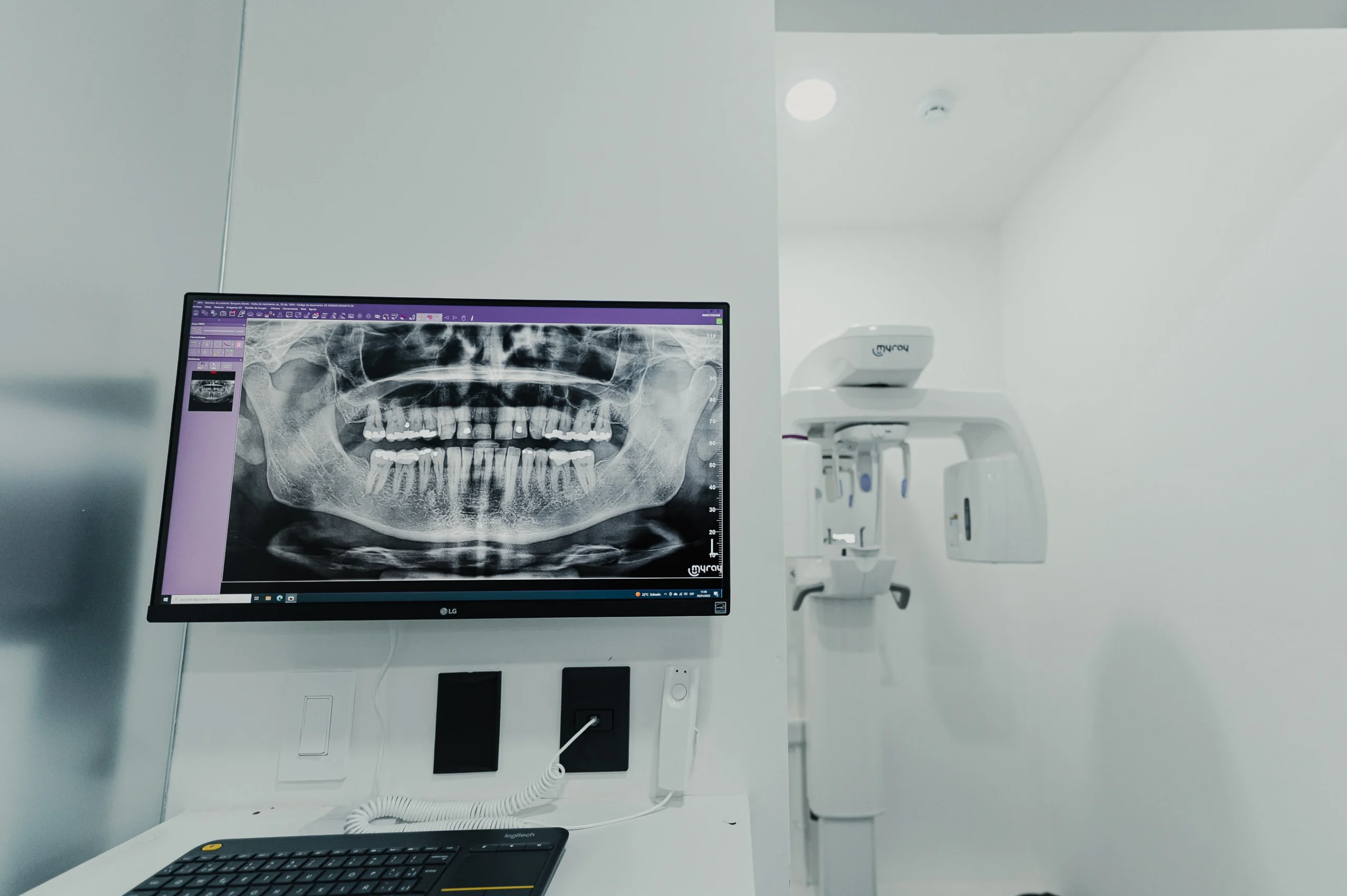
Treatment begins with an examination and appropriate diagnostic imaging. When indicated, a three-dimensional scan helps assess bone volume and the location of important anatomical structures.
This information guides implant positioning, restoration design, any additional procedures, and the estimated treatment timeline.
- 02.
Implant Placement
The implant is placed in the jawbone during a surgical procedure, usually under local anesthesia. Before treatment, you will receive an explanation of the procedure, aftercare instructions, and the approach to managing discomfort.
- 03.
Healing and Osseointegration
Following implant placement, a healing period of approximately 4 months allows the surrounding bone to integrate with the implant, creating a stable foundation for the final restoration.
Follow-up appointments allow our clinical team to monitor your progress and confirm when the implant is ready. Healing times may vary depending on your individual circumstances and any additional procedures.
- 04.
Final Restoration
Once adequate healing and stability have been confirmed, impressions or digital records are taken to create your crown, bridge, or prosthesis.
The restoration is assessed and adjusted for fit, appearance, bite, and access for daily cleaning.
- 05.
Ongoing Care and Maintenance
Long-term care includes professional cleaning and regular examinations. These visits help monitor the surrounding gums and bone, assess your bite, and check the condition of the restoration and its components.
FAQ
Frequently asked questions
Treatment typically takes 4–6 months, from implant placement to the final restoration. If bone grafting or other preparatory procedures are required, the overall timeline may be longer. Following your assessment, we will provide a personalized treatment schedule.
A temporary crown, bridge, or denture may be appropriate during healing. Immediate placement of a temporary restoration is possible in selected cases, but it depends on specific clinical conditions and is not suitable for every patient.
Temporary swelling, tenderness, bruising, or discomfort may occur. You will receive instructions on oral hygiene, diet, activity, and any prescribed medication to support your recovery.
With proper care, dental implants can last a lifetime. Daily oral hygiene, regular dental checkups, and professional maintenance are essential to supporting their long-term success. Longevity also depends on your general health, gum health, and habits such as smoking or teeth grinding. The crown or prosthesis attached to the implant may require maintenance or replacement over time.
As with any surgical procedure, implant treatment involves risks. These may include infection, failure of the implant to integrate with the bone, or injury to nearby structures. Complications can also develop later in the surrounding tissues or prosthetic components. Careful planning, appropriate patient selection, and ongoing maintenance help reduce these risks.
Brush daily, clean between your teeth and around the restoration with the recommended tools, and attend regular maintenance appointments. Although implants do not develop tooth decay, the surrounding tissues can become inflamed and lose supporting bone. Consistent home care and professional follow-up are essential.
Dental Implants
Take the First Step Toward Restoring Your Smile
Explore your options for replacing missing teeth with a treatment plan tailored to your needs. During your consultation, we will explain the recommended approach, expected stages, and care needed to support your long-term oral health.